Claudia and Pecola’s friendship
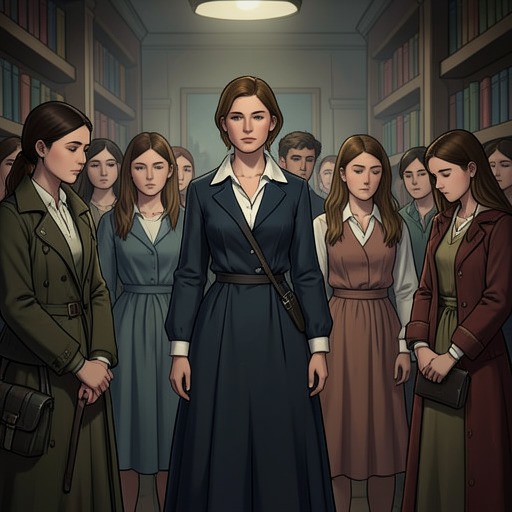
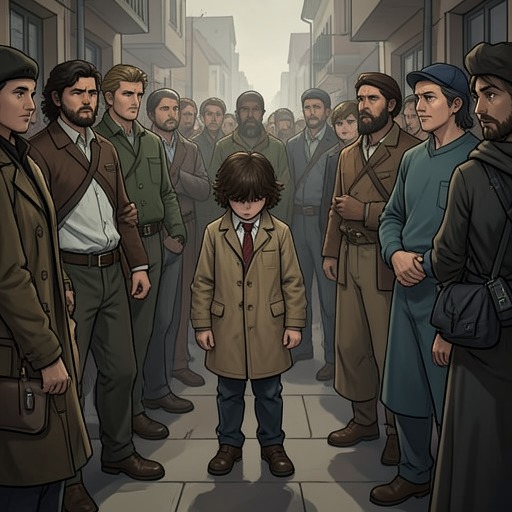
The Bluest EyeClaudia and Pecola’s friendship becomes most visible at the moment it proves unable to protect Pecola. Claudia and Frieda respond to the danger surrounding Pecola’s pregnancy with pity, shame, and a child’s determined attempt to alter events: they give up the money meant for a bicycle and plant seeds, hoping that their care can help bring about a miracle. The flowers never grow, Pecola’s suffering continues, and the sisters eventually avoid her. Claudia’s adult recollection holds both the tenderness of their effort and the weight of having failed her.
The Recognition of Pecola’s Suffering
The sisters’ response begins with others’ grim expectations for Pecola’s baby. Claudia recalls hearing that it would be a miracle if the baby lived. Their astonishment gives way to a defensive shame: they feel embarrassed for Pecola, hurt for her, and finally sorry for her. The shift matters. Their attention turns from the prospect of a new bicycle to Pecola’s danger, and their sorrow becomes the motive for action.
That recognition is not the same as understanding or rescue. The girls’ pity coexists with a sense of pride and confidence: they believe they can change the course of events and alter a human life. In the scene, friendship takes the form of an urgent response to vulnerability, but the scale of the girls’ hope exceeds what they can control. Their resolve is real; the power they imagine having is not.
A Plan to Make a Miracle
Frieda asks what they can do after hearing that the baby may not survive. Claudia proposes that they pray, then turns the sisters’ hope into a plan involving what they can give up and what they can plant. The money they had been saving for a bicycle is to be buried near Pecola’s house, where they will not be tempted to dig it up; the seeds will be planted behind their own house, where they can watch over them. Care is expressed through sacrifice, prayer, and tending something living.
The arrangement gives the girls a concrete task when they have little practical power over Pecola’s circumstances. Giving up the bicycle money makes their commitment costly to them, while planting seeds gives their hope a form that can be watched for signs of life. Their plan links Pecola’s fate to the flowers’ growth: if the seeds flourish, they can imagine that their intervention has mattered. That link also makes the failure of the flowers especially painful.
The Failed Effort and Its Aftermath
The flowers never grow. Claudia believes Frieda was right that she planted them too deeply, and the explanation turns the failed planting into a personal reproach. She asks herself how she could have been so careless. The girls cannot know that their gardening determines the baby’s survival, but the story shows how their wish to help becomes entangled with guilt when neither the flowers nor their hoped-for outcome can be saved.
Afterward, Claudia and Frieda try to see Pecola without looking directly at her, and they do not go near her. Claudia insists that this distance does not come from finding Pecola absurd or repulsive, or from fear; it comes from the sisters’ conviction that they had failed her. Their avoidance is therefore not presented as indifference. It is a painful withdrawal that leaves Pecola more isolated, even as the girls’ memory of their failed attempt preserves their attachment to her.
Memory and the Limits of Friendship
Claudia recounts the episode retrospectively, making the friendship inseparable from the adult narrator’s sense of responsibility. She describes Pecola through the image of a bird beating the air, grounded yet intent on a blue void she cannot reach or even see. The image gives form to an aspiration that offers no escape: Pecola strains toward something unavailable while the sisters remain unable to reach her. Claudia’s description that they tried to see Pecola without looking at her captures the contradiction between awareness and avoidance.
The passage does not allow the sisters’ good intentions to stand as a successful rescue. They act from pity and pride, give up a desired possession, and try to sustain hope through planting; still, the flowers fail and they withdraw. The friendship matters not because it reverses Pecola’s fate, but because Claudia’s remembrance refuses to disguise the failure as distance or lack of feeling. Her final admission that they avoided Pecola forever turns childhood care into an enduring measure of what they could not do for her.